In Lakeside since 2014
An Ayurveda clinic that happens to feel like a spa
Prakritik was opened by Dr. Sushmita Bhattarai after six years in a hospital Ayurveda department, on a simple premise: Pokhara had plenty of oil massage and very little actual Ayurveda.
Nothing has changed since. Every plan is written by a physician after an assessment, the oils are classical formulations rather than scented base oil, and the therapists trained in the tradition.
Our mission
To make real Ayurveda available in Pokhara — assessed, prescribed and carried out by people trained to do it — without asking anyone to give up the comfort of a spa to get it.
Every plan opens with an assessment and closes with an honest answer about what treatment can and cannot do. That is the whole of it. The oils, the rooms and the garden terrace are how we make the medicine bearable to sit through; they are not the point of it.
Why we exist
Walk down Barahi Path and you will pass thirty spas offering Ayurvedic massage. Almost none of them will ask you a question before deciding what to do. The oil comes from a five-litre jerrycan, the technique is Swedish, and the word Ayurveda is doing marketing work rather than clinical work.
That is not a scandal — a good oil massage is a fine thing to sell. But it is not what the tradition is, and travellers who come to Nepal specifically for Ayurveda deserve to know the difference before they pay for it.
What we do differently
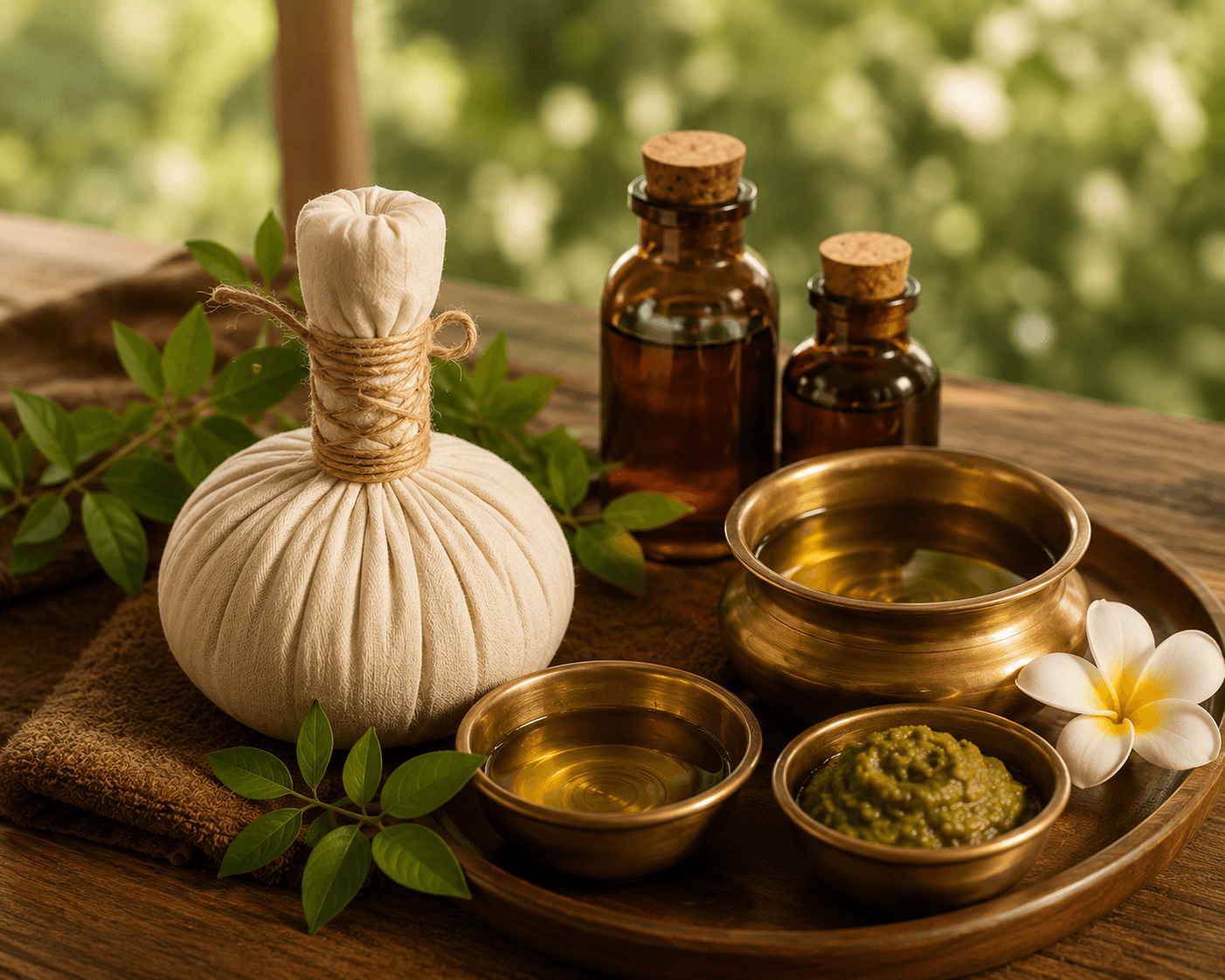
A physician designs every treatment plan. Our senior therapists trained in Kerala rather than on a two-week hotel course. The oils are classical formulations from licensed pharmacies, not scented base oil. And the consultation is a genuine assessment that sometimes ends with us telling you to see a doctor instead.
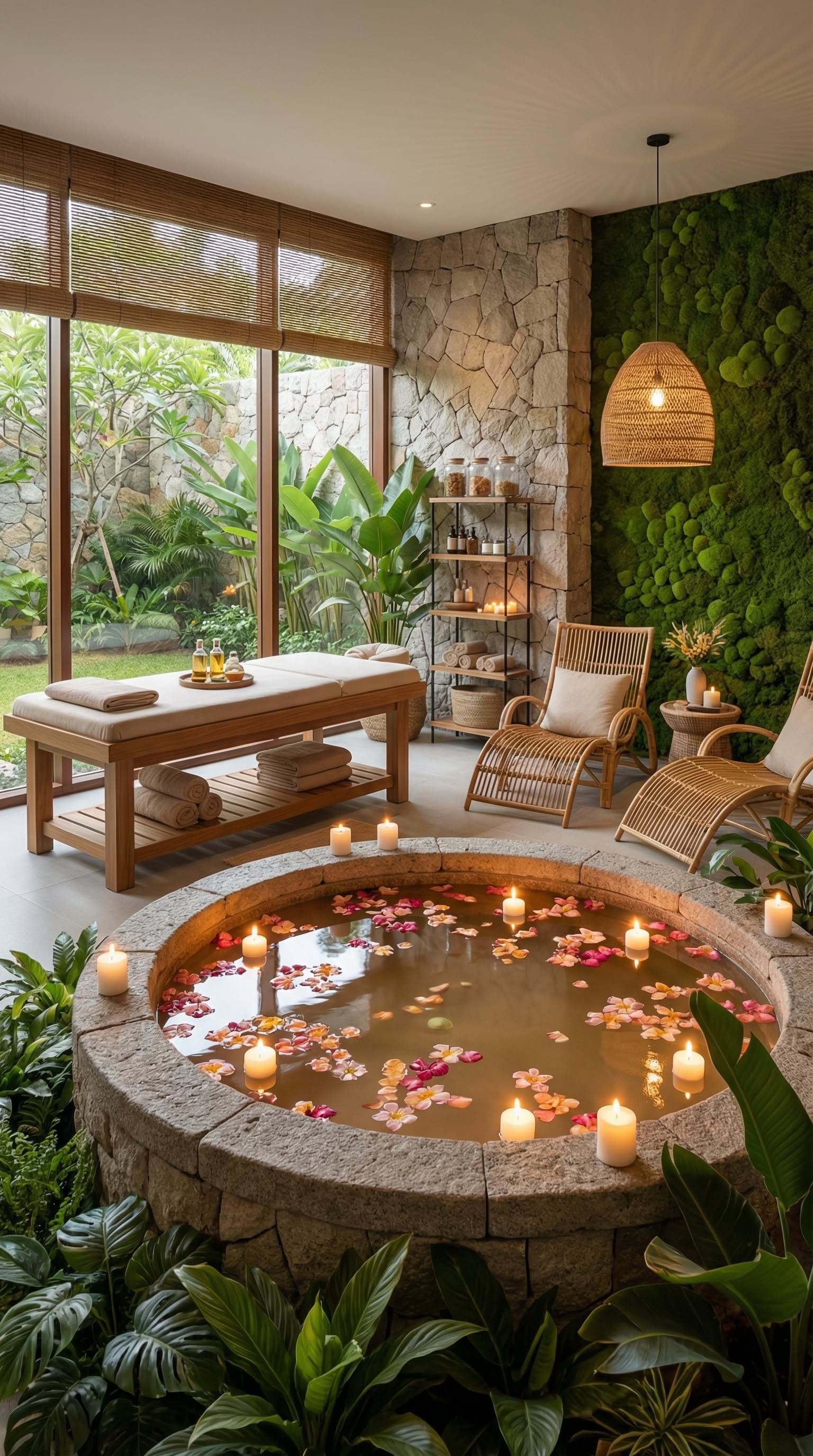
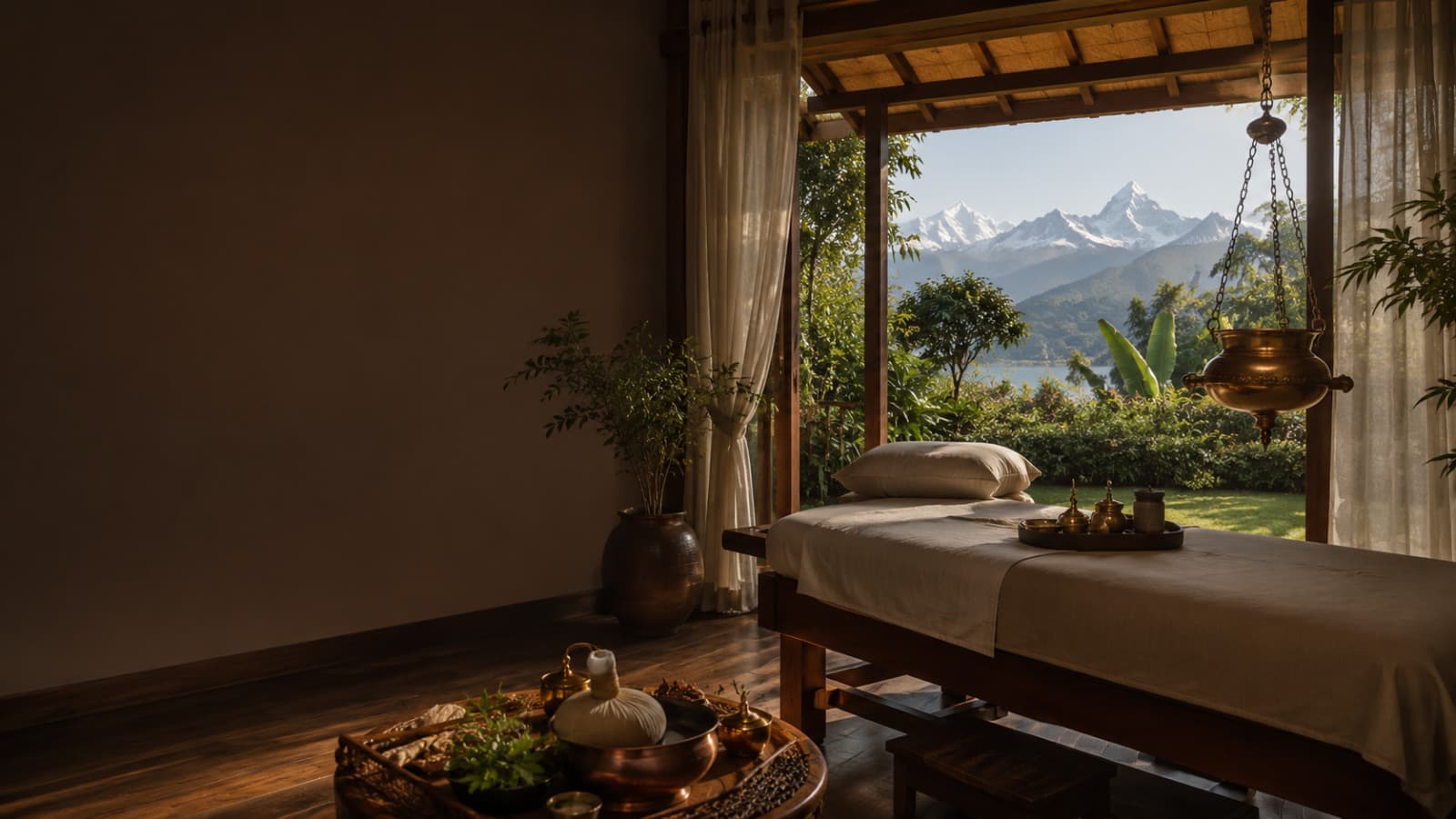
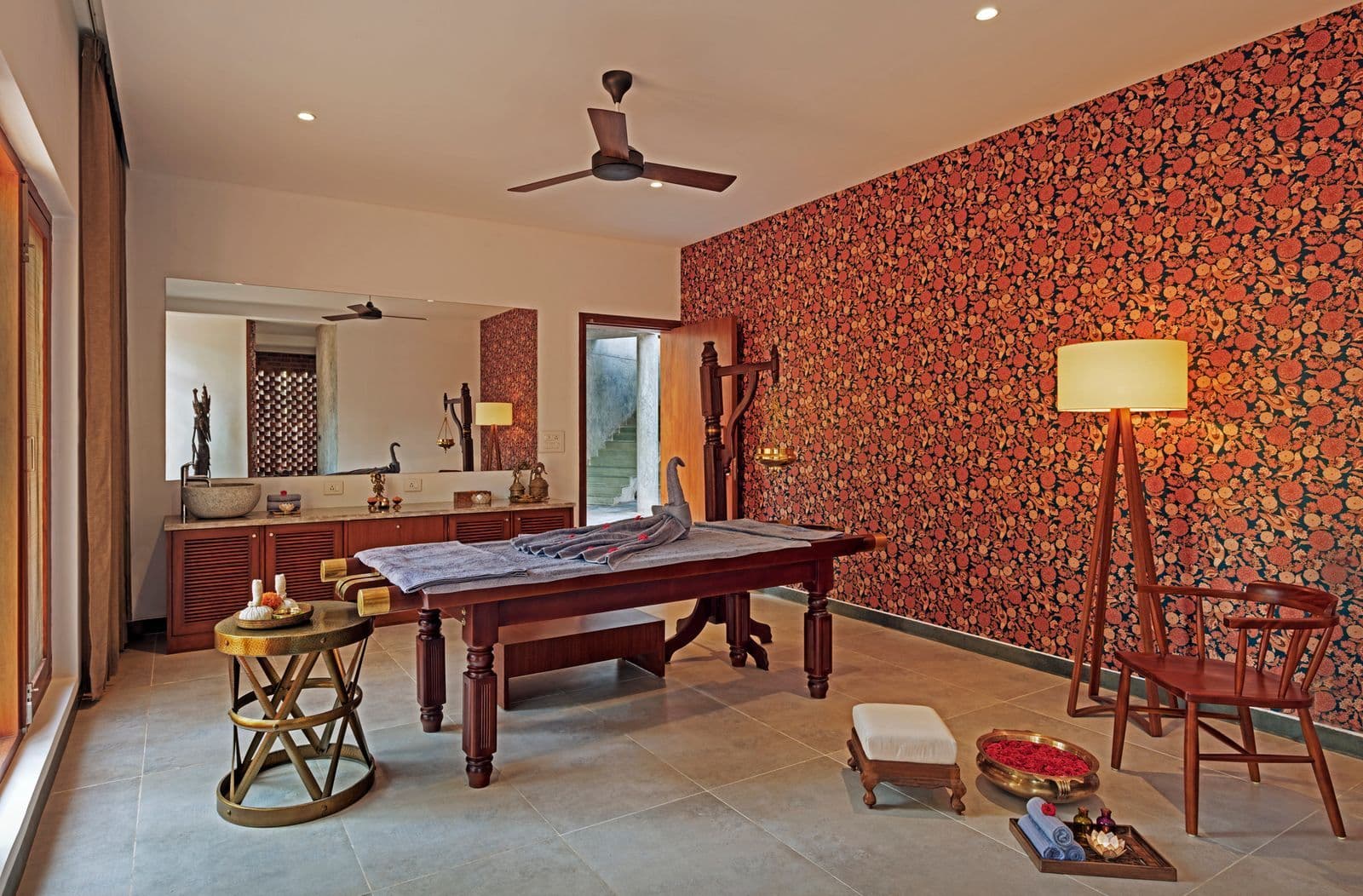
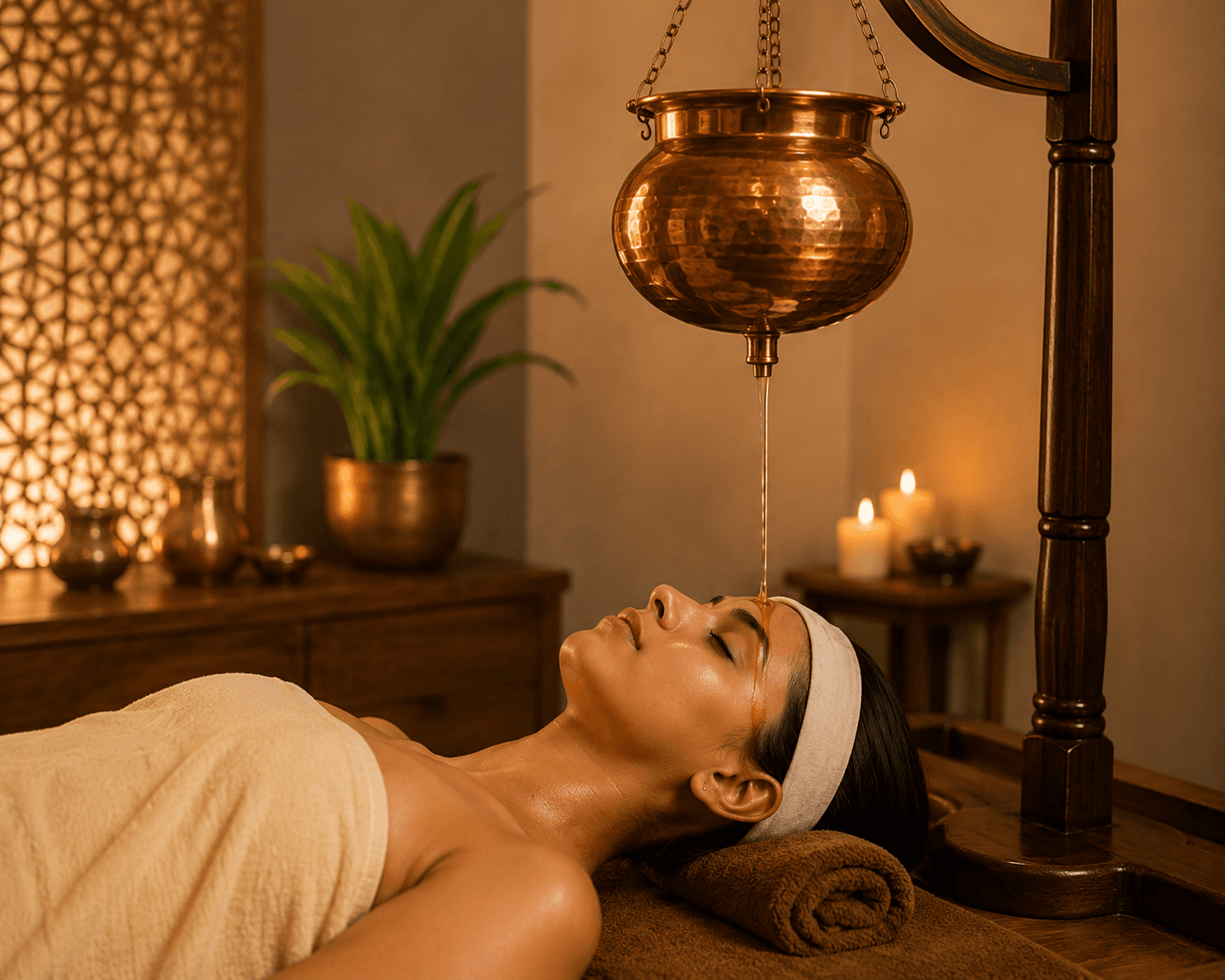
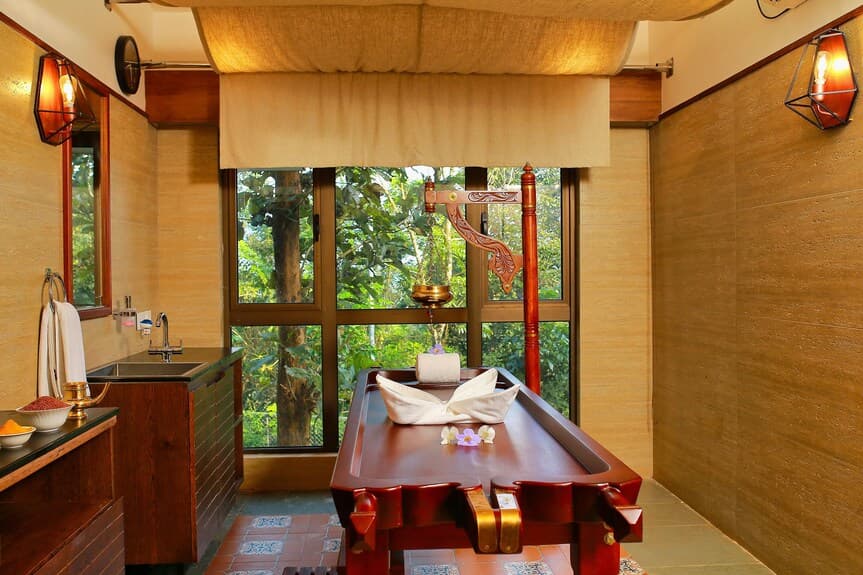
We are also a small building rather than a hotel wing. There are four treatment rooms, one Shirodhara room, a sound room and a garden terrace. At any moment there are at most six guests in the place.
A holistic wellness philosophy
Ayurveda treats a person rather than a complaint. What arrives as a stiff neck is read alongside how you sleep, what you digest, and how much of the last year you spent on a plane.
Wellness focus
Physical health, mental clarity and emotional steadiness are one system in this tradition, and they are assessed together. Work aimed only at the muscle will not hold while the sleep is still broken.
Holistic rejuvenation
Rejuvenation is a course rather than an hour. A plan pairs what happens on the table with what to eat, when to sleep, and which habits to drop for the fortnight after you leave.
Our relationship with medicine
Ayurveda is complementary care. It manages symptoms, supports recovery and improves how people sleep, digest and move. It does not cure cancer, replace insulin or fix a torn ligament, and any centre that implies otherwise should worry you.
We ask about your medication because herbs interact with drugs. We refer out when something needs imaging or bloodwork. And we would rather lose a booking than take money for a treatment that is wrong for you.
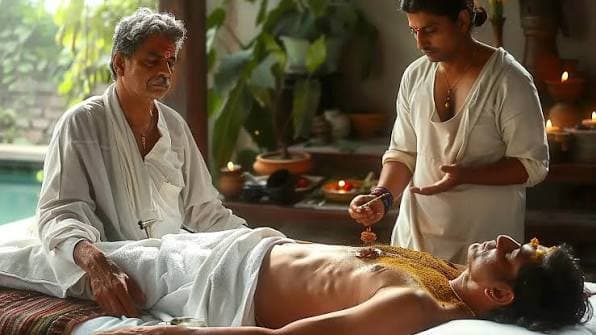
Ayurvedic principles
Classical Ayurveda reads the body through three functional principles — the doshas. Everyone carries all three; what differs is the proportion, and what makes people unwell is usually one of them out of its usual place.
A consultation establishes where yours sits and where it has drifted. That reading is what decides which therapy you are offered, which oil is used, and how long the course runs.
Our standards
Diagnosis before treatment
Nobody is touched before an assessment. The consultation is free and never used as a sales step.
Licensed pharmacy oils
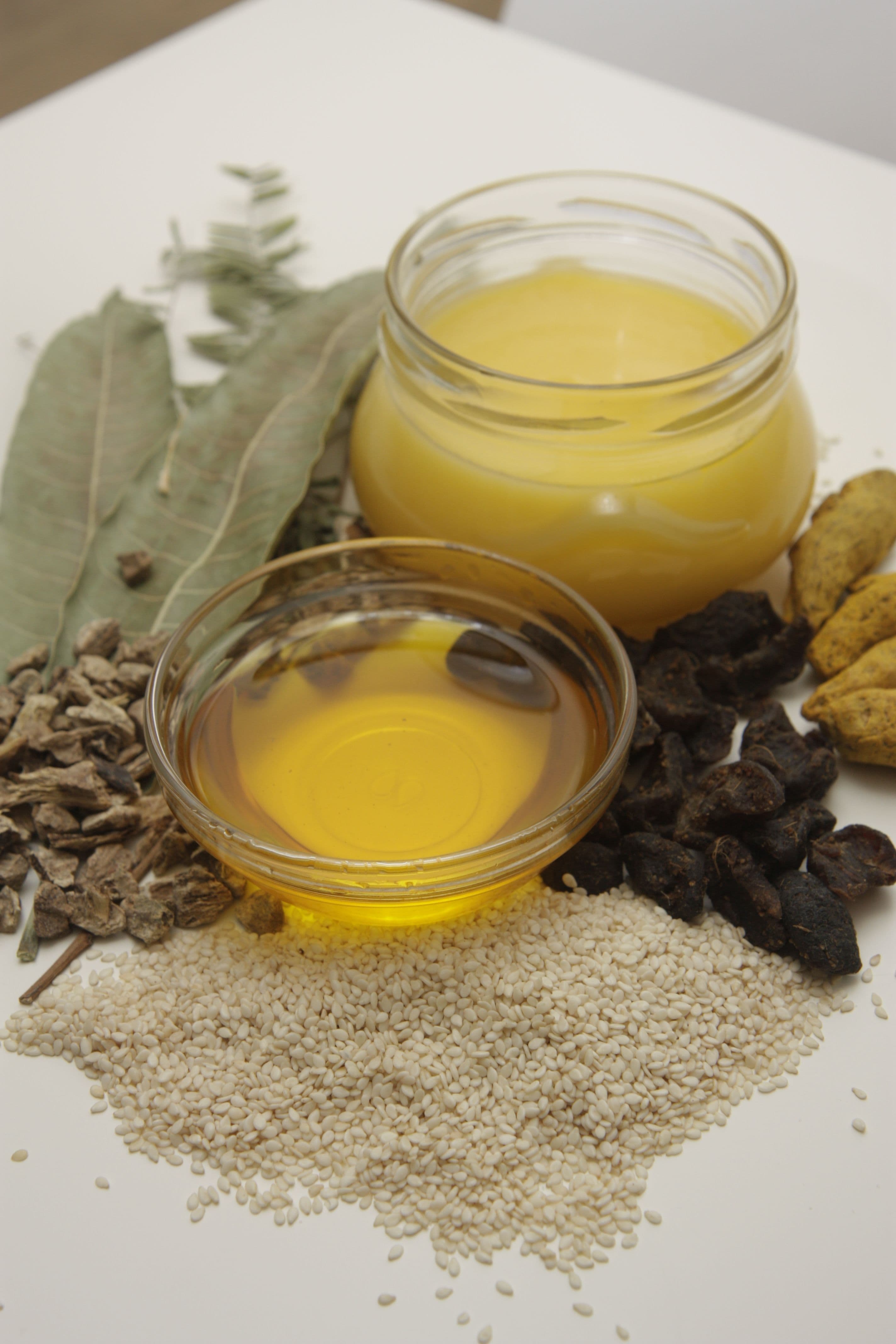
All classical formulations arrive from licensed Nepali and Kerala pharmacies with batch certificates, stored dated and decanted per guest.
Single-use where it matters
Fresh linen, disposable underwear, poultices tied fresh per guest and discarded after.
Consent and draping
You choose how much you undress; only the area being worked on is uncovered; therapist gender is confirmed in writing when you book.
Published pricing
No haggling, no on-the-table upsell, service charge included.
We decline
Roughly one in seven Panchakarma enquiries is turned away at screening, with a full refund of any deposit.
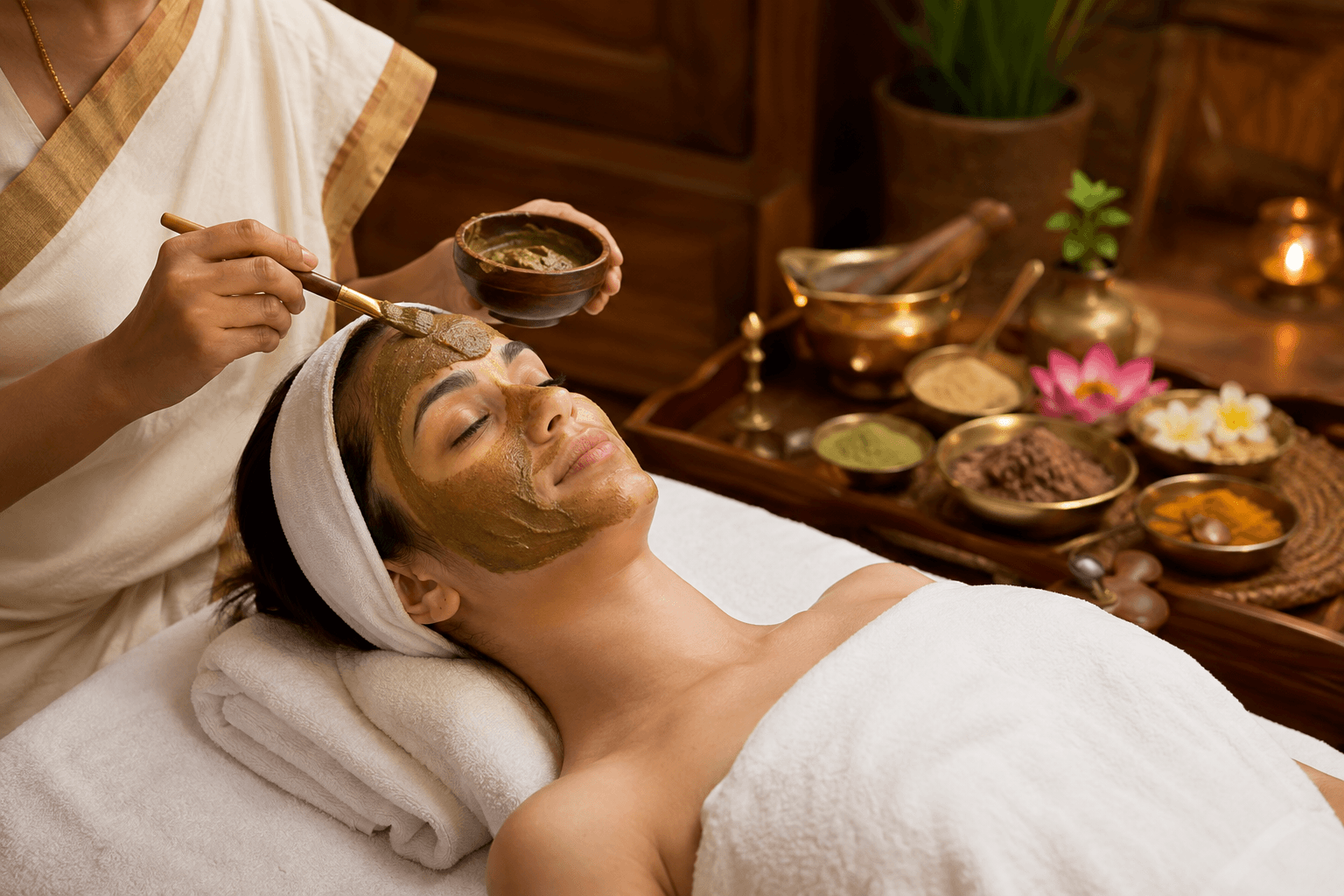
The team
Who will actually treat you
Four practitioners, named, with their training and years on the table. You can request any of them by name.

Dr. Sushmita Bhattarai
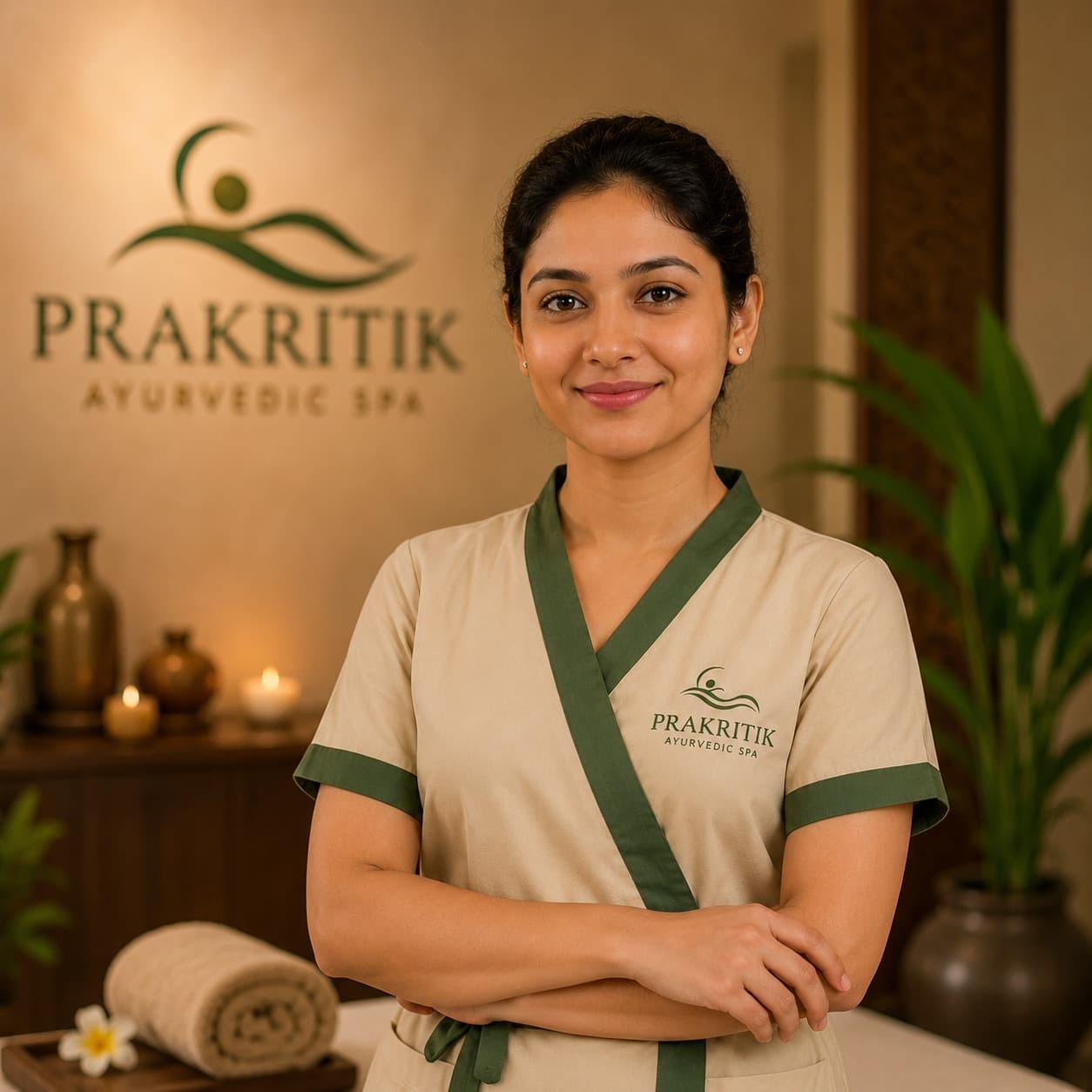
Anjana Shrestha
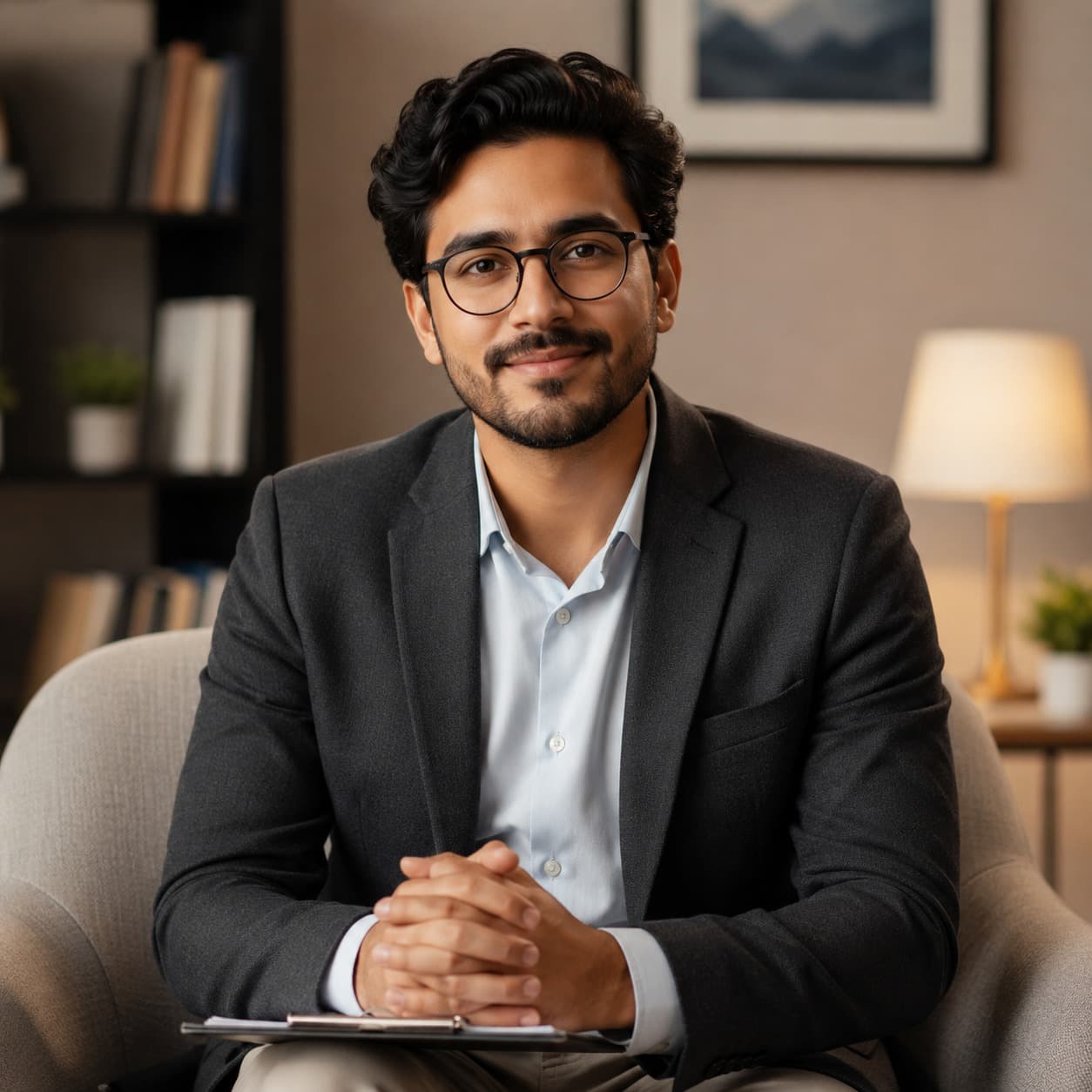
Bikash Tamang

Priya Maharjan
Dr. Sushmita Bhattarai
Anjana Shrestha
Bikash Tamang
Priya Maharjan
Inside Prakritik
The world around the treatment
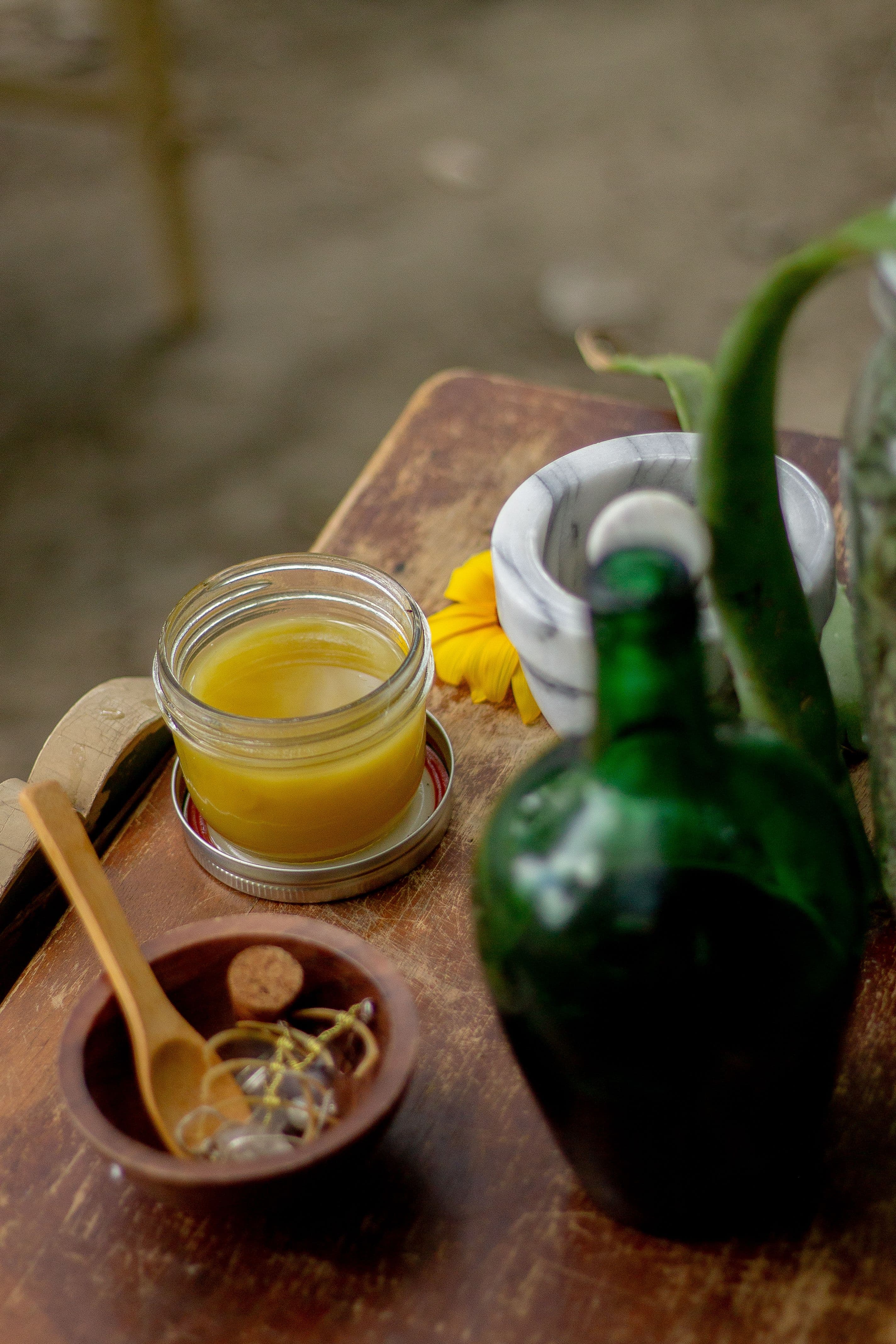
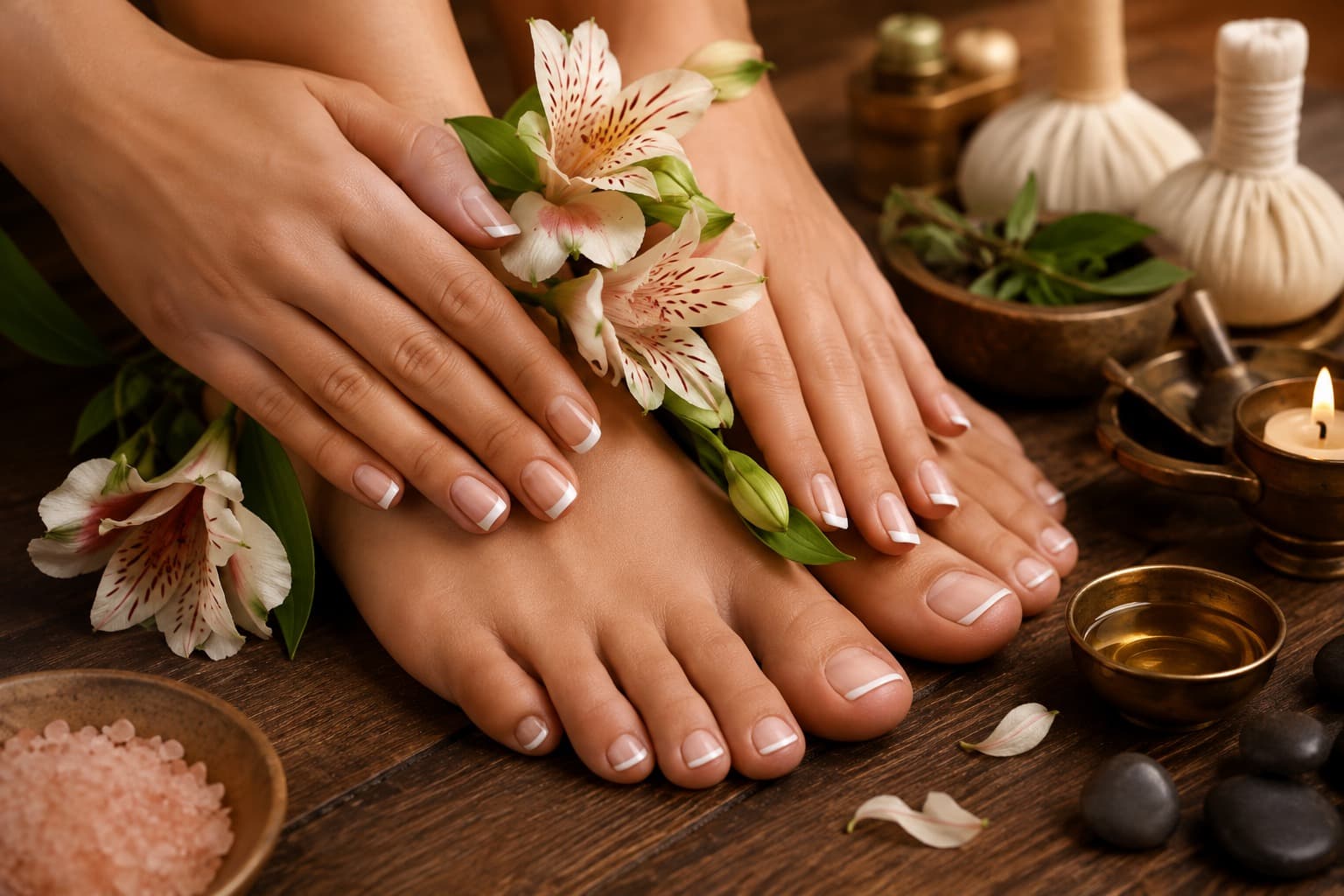
Come and see the difference
Start with a half-day retreat or just a consultation. We will tell you honestly what is worth booking.